









What are Acoustic Ceiling Tiles?
Acoustic ceiling tiles are designed to do one thing really well: control sound. If you’ve ever walked into a room that’s full of hard surfaces and echoes with every step or sentence, you’ll know why they matter.
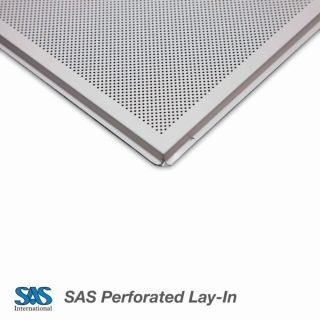
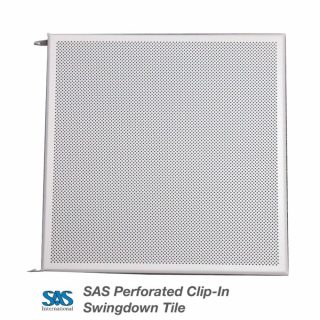
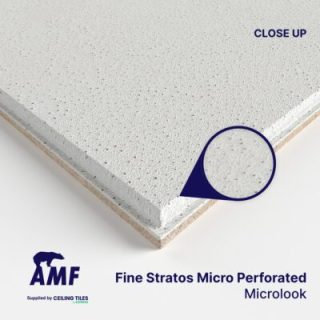
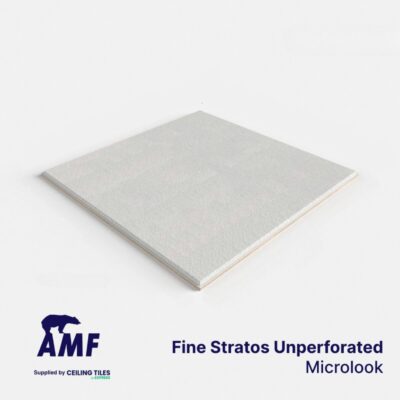
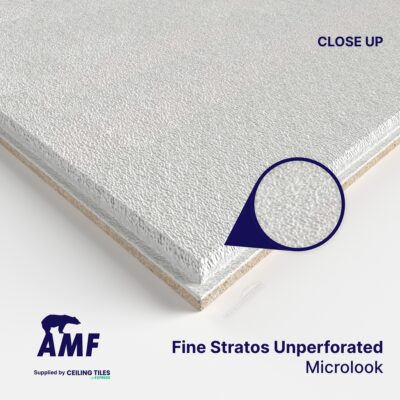
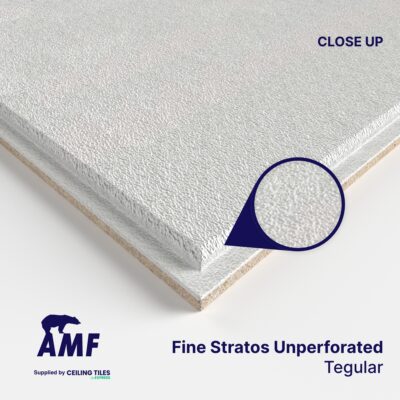
These soundproof ceiling tiles are made from sound absorbing materials like mineral fibre, stone wool or fibreglass, fitted into a suspended ceiling grid. Once in place, they help soak up unwanted noise, reduce reverberation and make spaces more comfortable to be in – whether that’s a school ceiling, open plan office or busy hospital corridor.
Some ceiling tiles offer basic absorption for general use. Others are engineered for specific environments. So, if you’re specifying for a project, you’ll want to look into the manufacturer’s information for each product.
At Ceiling Tiles Express, we stock a curated range of acoustic ceiling tiles from trusted brands like Zentia, Rockfon, Ecophon and more. Whether you’re looking for a cost-effective solution for a small office or a full spec for a healthcare fit out, we’ve got a solution – all with fast UK delivery and expert support. If you’re not sure what’s right with your space, please don’t hesitate to get in touch.
What are Acoustic Ceiling Tiles Made From?
The performance of an acoustic tile is all down to what they’re made from. The material inside each tile affects everything, from sound absorption to moisture performance. Here’s an overview of the most common materials used in our range:
- Stone Wool Ceiling Tiles – Made from volcanic rock (usually basalt), stone wool is naturally highly sound absorbent. It performs exceptionally well in demanding environments like hospitals, schools and commercial offices.
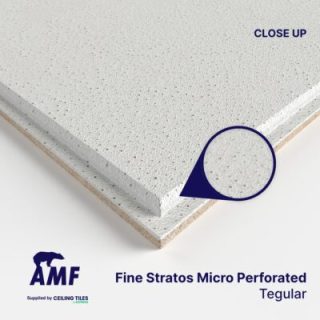
- Mineral Fibre Ceiling Tiles – A cost-effective option made from a mix of recycled materials. Mineral fibre tiles offer solid acoustic performance and come in a wide range of textures and finishes. Great for general use in offices, corridors and meeting rooms.
- Glass Wool Ceiling Tiles – Also known as fibreglass ceiling tiles, these lightweight panels are often used where speech clarity or music acoustics are a priority, such as classrooms, studios or auditoriums.
What are the Different Types of Acoustic Ceiling Tiles?
A common mistake we often see is individuals assuming all acoustic ceiling tiles do the same thing – but they don’t. Acoustic tiles generally fall into two main types, each tackling sound in very different ways.
1. To Reduce Noise: Sound Absorption Tiles
Sound absorbing tiles are designed to soak up noise within a room, reducing echo and lowering overall noise levels. They work by capturing sound waves and preventing them from bouncing off hard surfaces, such as a hard material that may have otherwise been used as your ceiling.
Open-plan offices, classrooms, call centres and restaurants all benefit hugely from sound absorbing ceiling tiles. They make conversations clearer, reduce distractions and create a comfortable environment so that everyone can focus or relax without the distraction of constant background noise.
2. To Improve Privacy: Sound Insulating Ceiling Tiles
Sound insulating ceiling tiles serve a different, but equally important, purpose. They’re built to block sound from passing through your ceiling. By preventing noise from travelling between rooms, you can keep conversations confidential and workspaces quiet.
These tiles tend to be denser and may be combined with other soundproofing measures like ceiling insulation for maximum effect.
Acoustic Ratings Explained
Choosing the right acoustic suspended ceiling tile will require you to know how well it controls sound. This is measured with clear, industry-standard metrics that you can use to pick the perfect tile for your space.
How to Measure Noise Absorption
Noise absorption tells you how much a tile can absorb sound inside a room, reducing echo and background noise. This is measured using a number called the Noise Absorption Coefficient, or alpha waves (aw), which ranges from 0 to 1:
- 0 means the tile reflects all sound (no absorption)
- 1 means it absorbs all sound (perfect absorption)
Most acoustical ceiling tiles fall somewhere in between. To keep your space calm and clear, aim for tiles with an alpha of 0.7 or higher – these are highly effective at taming noise.
To make things even simpler, tiles are often classified from Class A (best) to Class E (poorest), based on their absorption scores. We usually recommend going for Class C and above to ensure noticeable noise reduction.
How to Measure Sound Insulation
Sound insulation measures how well a tile blocks noise from travelling between rooms, helping protect privacy.
This is quantified in decibels (dB) – the unit that describes how much sound reduction a product offers. The higher the dB rating, the better the tile is at stopping noise from passing through your ceiling.
For practical privacy, look for tiles that deliver at least 34 dB of sound insulation. This level is enough to keep most office conversations private and prevent noise from disrupting adjacent rooms.
Please Note: Whilst most acoustic tiles make a difference, there’s no such thing as completely soundproof ceiling tiles. Sound travels through walls, floors, doors and ventilation systems, so your overall construction plays a huge role. Acoustic tiles are designed to manage noise, creating a quieter space, but they’re part of a bigger sound control system.
Why Choose an Acoustical Ceiling?
Acoustic ceilings can make a huge difference to the performance in your workplace. Here’s exactly why they’re worth specifying:
- Reduce Noise Disruption
Busy offices, classrooms and corridors all generate background noise. Acoustic tiles absorb that sound before it builds up, helping you maintain a quieter, more productive space without additional wall treatments or floor coverings.
- Improve Speech Intelligibility
Poor acoustics make it harder to hear and be heard. Tiles with high sound absorption ratings reduce overlapping conversations and therefore improve speech clarity – something that’s critical in meeting rooms, call centres and teaching spaces.
- Protect Privacy Between Rooms
For private conversations, you need more than just walls. Sound insulating tiles block sound from passing through your ceiling void, protecting important conversations in consulting rooms, boardrooms and shared working environments.
- Quick to Install
Built for more standard grid systems, most are 600x600mm ceiling tiles, meaning minimal disruption during installation. This is ideal for fast-track projects or phased refurbishments.
Is Installation Different for Acoustic Ceiling Tiles?
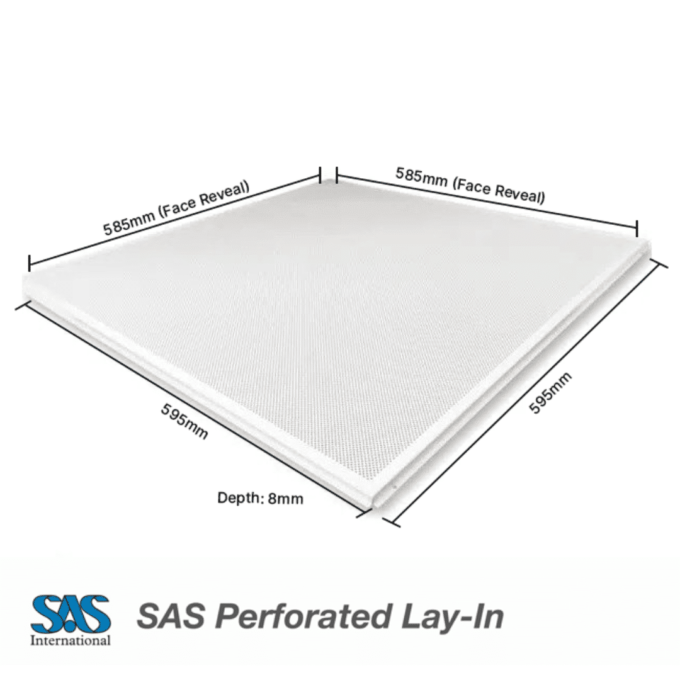
In general, acoustic ceiling tiles are designed to fit standard 600 x 600mm or 1200 x 600mm suspended ceiling grids (typically 15mm or 24mm). Just like standard tiles, they drop straight into place. No special tools. No specialist fixings. No extra steps.
With that said, here are a few things worth paying attention to:
-
Acoustic tiles are impacted by how they’re installed. Make sure you do this properly, ensuring the grid is level, securely fixed and tiles are properly in place. A gap in your ceiling system is a great space for noise to escape.
-
Handling still matters, especially for tiles with a smooth white or micro-textured surface. Clean gloves and careful placement help avoid scuffs or dents during installation.
-
Access remains easy. Just like standard ceiling tiles, acoustic options can be lifted out individually for access or replacement, without the need to dismantle the entire ceiling.
Frequently Asked Questions
Can’t find what you’re looking for? Below are answers to some of our frequently asked questions.
-
How many tiles are in an acoustic tile box?
The number of tiles completely depends on which tile you opt for, but in our acoustic range you can expect between 10-32 tiles in a box. Please check the individual product page for more information.
-
Can you paint acoustic ceiling tiles?
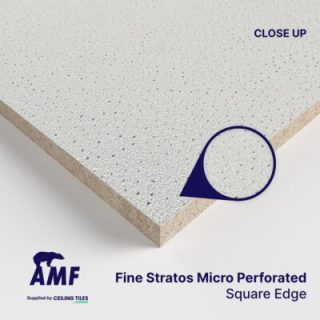
We do not recommend that you paint your ceiling tiles. Painting acoustic tiles can block the perforations in the surface that absorb sound, which reduces their acoustic performance. We’d always suggest choosing tiles with the finish you want up front. Most manufacturers offer white as standard, but some ranges include colour options or custom finishes too.
-
Do acoustic ceiling tiles absorb sound?
Yes! That’s exactly what they’re designed to do. Acoustic ceiling tiles absorb sound waves that would otherwise bounce around the room, helping to reduce echo, control background noise and improve speech clarity. How much they absorb depends on the tile. Most come with a noise reduction coefficient (NRC) or aw rating to help you understand.
-
Do acoustic ceiling tiles work?
Of course! When correctly installed, acoustic ceiling tiles can be one of the most effective ways to improve sound quality in a space. They’re widely used in offices, schools and healthcare settings to reduce echo and create a more comfortable environment.
-
What are acoustic ceiling tiles?
Acoustic ceiling tiles are panels designed to absorb sound and reduce noise levels in indoor spaces. They’re usually made from a sound absorbing material like mineral fibre, stone wool or glass wool, and are typically installed into a suspended ceiling grid. By absorbing sound rather than reflecting it, they help create a quieter, comfortable environment in places where noise control matters.
Why Ceiling Tiles Express?
We pride ourselves on being the most reliable and fastest ceiling tile supplier in the UK. We have a whole range of high-quality products which are available with next-day delivery.


