





What Ceiling is Best for a Commercial Kitchen?
Not all ceilings are cut out for kitchen work. In commercial kitchens, they don’t only need to look the part, they need to perform under pressure.
High heat. High humidity. Grease in the air. Regular deep cleans. It’s a tough environment, and the wrong suspended ceiling tiles can quickly start to sag or stain.
One of the best ceilings for commercial kitchens is a suspended ceiling with moisture-resistant and durable tiles designed specifically for these demanding conditions. If you’re considering this option, here’s what to look for:
- Humidity Resistance – Your tiles need to resist steam, grease buildup and high levels of humidity without warping or staining. We recommend that you look for materials that are designed to withstand moisture, remaining clean and intact despite the harsh kitchen environment.
- Durability – You know as well as we do that commercial kitchens require rigorous cleaning schedules. Your commercial kitchen ceiling tiles need to withstand this without deterioration or loss of performance.
- Easy Maintenance – A clean kitchen is a safe kitchen. Choosing tiles that are easy to wipe down and quick to maintain will mean they stay looking good for longer (despite the grease and the grime).
Need a tile that ticks all the boxes? At Ceiling Tiles Express, we partner with trusted manufacturers to provide a selection of kitchen ceiling tiles that are built to handle the demands of these commercial spaces. Whether you need ceiling tiles for a kitchen in a restaurant or you’re upgrading your current catering space, we’ll ensure you get the right tiles that meet the high standards required for such a challenging environment. If you need any help or guidance, please don’t hesitate to get in touch.
What Type of Ceiling Tile is Best for Kitchens?
In commercial kitchens, the ceiling has to be able to perform under some of the toughest conditions in the building. When specifying your ceiling panels, key factors like durability, moisture resistance, hygiene and ease of maintenance are so important. Here’s a look at the top ceiling materials that meet these demands:
Mineral Fibre Ceiling Tiles
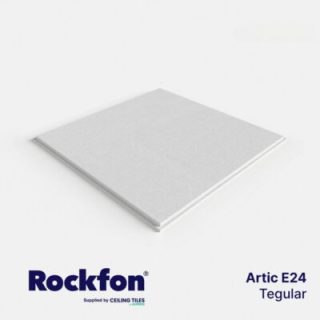
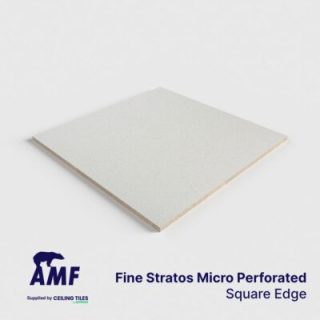
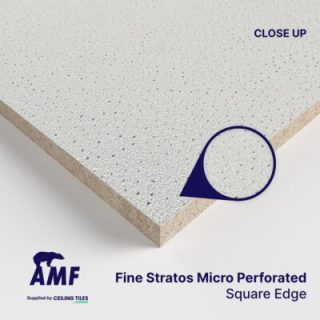
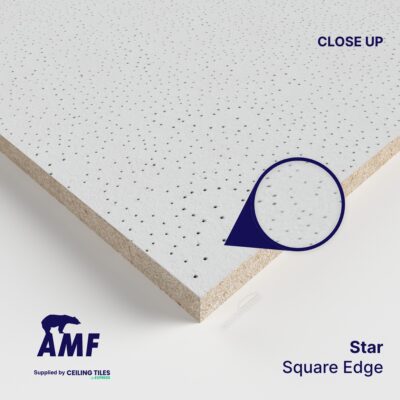
Mineral fibre tiles bring a technical advantage with their inherent sound-absorbing properties, cutting down the overwhelming noise typical of busy kitchens. Whilst it varies from tile to tile, they’re mostly engineered with a level of humidity resistance to resist sagging in humid conditions, making them a great, cost-effective choice. With that said, please keep in mind that while they can be moisture-resistant, they’re not completely waterproof.
Plasterboard Ceiling Tiles
Vinyl-faced gypsum plasterboard is a strong, durable option for kitchens. The vinyl coating makes it resistant to moisture and grease, helping maintain a clean and hygienic space. Plus, the smooth surface of plasterboard ceiling tiles makes it easier to wipe down, and its sturdy nature means it will stand up to the wear and tear of a busy kitchen.
Metal Ceiling Tiles
Metal ceiling tiles are ideal for kitchens that require the highest levels of durability and hygiene. They’re easy to clean and create a modern finish, often chosen for their ability to withstand heavy-duty cleaning, heat and steam.
Why Choose a Suspended Kitchen Ceiling?
By creating a hidden void between the structural ceiling and your tiles, you can unlock a long list of practical benefits for your commercial kitchen environment.
- Moisture Resistance
Commercial kitchens generate some serious steam. A suspended ceiling, fitted with moisture-resistant ceiling tiles, helps buffer the effects of humidity and condensation, reducing the risk of staining, sagging or mould buildup.
- Easy Service Access
Whether you’re dealing with ducting, pipework or wiring, things break – and need fixing fast. Suspended ceilings give you instant access to all your hidden utilities, without having to tear into solid structures. That means repairs and upgrades can happen easily without ripping out parts of your kitchen or halting operations.
- Improved Hygiene
Grease. Dust. Condensation. Ceiling tiles in kitchens take a beating. With wipeable ceiling tiles, you get fast and effective cleaning without discolouration or residue.
- Noise Control
Extractor fans, clanging pans and the constant hum of kitchen life – noise builds fast. Acoustic ceiling tiles absorb sound to reduce echo and soften harsh noise, creating a calmer working environment that helps staff focus and communicate more effectively.
- A Professional Finish
Your ceiling makes a visual impact too. A suspended system hides all the ducting, pipework, cables and structural mess that comes with kitchen construction. What you get is a clean, seamless ceiling that looks sharp (and performs even better).
How to Clean Kitchen Ceiling Tiles
Keeping your kitchen ceiling clean is so important in order to maintain hygiene and create a safe cooking environment. Regular cleaning ensures it remains in good condition. Here’s a quick guide on how to do this:
Avoid harsh chemicals that can damage your ceiling tile. Opt for gentle, kitchen-safe cleaners or a simple vinegar-water solution to remove stains without causing harm.
- Gather Your Tools
You’ll need a ladder, a vacuum with a brush attachment, cleaning solution (preferably non-toxic and grease-cutting), a soft cloth or sponge and a microfiber cloth for polishing.
- Remove Dust and Debris
Start by using a vacuum with a brush attachment to remove dust and cobwebs from the ceiling. Work your way around the room, ensuring you get into corners and edges – just make sure you’re careful!
- Clean the Ceiling Panels
Use a damp cloth or sponge with a gentle cleaning solution. For greasy or heavily stained areas, use a degreaser designed for kitchen surfaces. Avoid soaking the suspended ceiling tile to prevent water damage.
- Wipe Down the Grid System
Don’t forget to clean the grid system as well. Use a damp cloth to wipe down the metal grid, removing any grease or dust buildup. If the grid is very dirty, you can use a mild cleaning solution, but be sure to dry it afterwards.
Installation Advice
Installing a suspended ceiling in a kitchen requires precision and attention. Here are some tips to ensure a smooth process:
- Consider Moisture-Resistant Materials
Using materials that are specifically designed to handle moisture will prolong the lifespan of your ceiling and maintain cleanliness.
- Secure the Ceiling to Avoid Movement
Kitchens often have a lot of vibrations from appliances and machinery. Ensure the ceiling grid is firmly secured to the ceiling structure to avoid any movement or sagging over time. If this is a concern for your space, there are clip-in metal ceiling tiles available that provide added security.
- Check for Acoustic Performance
High noise levels are common in commercial kitchens. Soundproofing your suspended ceiling can help improve the work environment. Different tiles have different acoustic performances, so this is something to consider.
Frequently Asked Questions
Can’t find what you’re looking for? Below are answers to some of our frequently asked questions.
-
How do you clean kitchen ceiling tiles properly?
Most commercial kitchen ceiling tiles are designed to be easily wiped clean. A soft cloth or sponge with warm water (be careful not to soak the tiles) and a non-abrasive cleaner is usually enough. Please always check your individual tile’s spec first and avoid anything too harsh that could damage the tile’s surface or coating.
-
Can I install ceiling tiles in a smaller kitchen?
Absolutely! As long as you’ve got a suspended ceiling grid system, ceiling tiles can be installed in any size space, from compact kitchens to full-scale catering setups.
-
What’s the best ceiling material for a kitchen?
The best tiles for this environment typically have a surface that’s easy to wipe clean. Generally, this is a gypsum plasterboard base with either a PVC or vinyl face.
-
How long do ceiling tiles in kitchens last?
With the right spec and proper care, kitchen ceiling tiles can easily last 10-15 years or more. Durability depends on the material, cleaning routine and how well the environment is ventilated. Certain ceiling tiles are built to handle heat, humidity and daily cleaning, so they’re a long-term solution, not a stopgap.
Ceiling Tiles Express
We offer a range of high quality ceiling tiles to meet different needs and requirements. If you need any advice or product specifications, please don’t hesitate to reach out.


