









What are Metal Ceiling Tiles?
Metal ceiling tiles aren’t for every ceiling. And that’s exactly the point.
They’re often specific when standard mineral fibre ceiling tiles or plasterboard ceiling tiles fall short. Whether it’s extreme humidity, strict hygiene standards or a need for extra security when accessing ceiling voids, metal tiles offer engineered performance in environments where the ceiling isn’t just a surface – it’s part of the building system.
We see metal suspended ceilings installed in a wide variety of space, but most commonly:
- Commercial kitchen ceilings
- Office ceilings
- Retail ceilings
- Healthcare ceilings
- Transport hubs
- Laboratories and cleanrooms
- Industrial spaces
A metal ceiling system offers excellent value for money due to its durability, low maintenance and long lifespan. Their versatility and compatibility with various grid systems allow for straightforward integration into new or existing projects, making this suspended ceiling tile a reliable choice for architects, contractors and business owners alike.
What are the Different Types of Metal Tiles?
Metal tiles come as a lay-in or clip-in system. The difference? Let’s get into it..
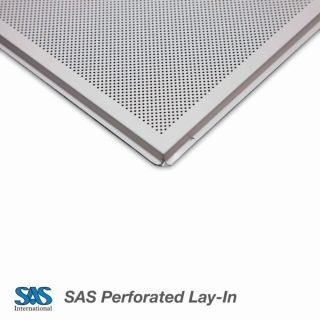
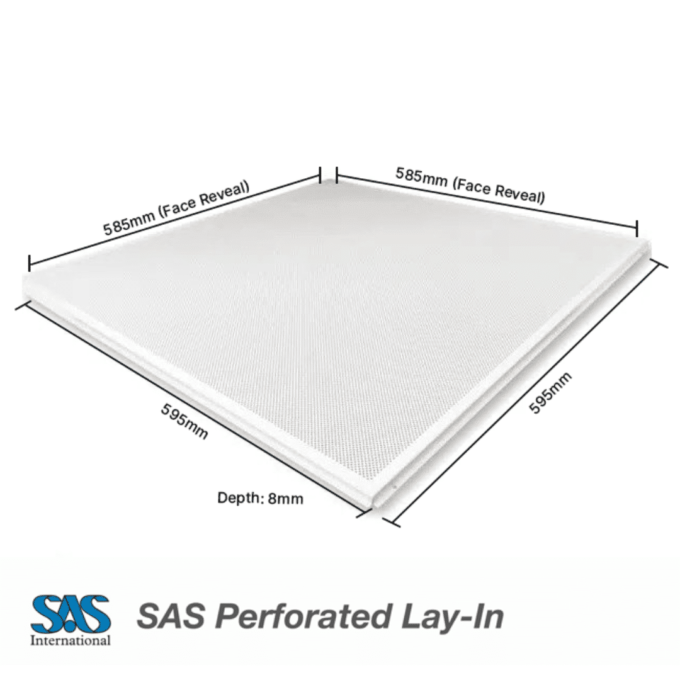
Lay-In Metal Ceiling Tiles
Metal lay-in tiles rest neatly within a visible T-bar grid system. They’re fast to install, easy to replace and compatible with most existing suspended ceiling grids. They offer plenty of benefits, including:
- Easy to Install – Simply lift out and lift in – no specialist tool is required.
- Easy Access – The grid system allows for quick and easy access to services like wiring or ductwork in the ceiling void.
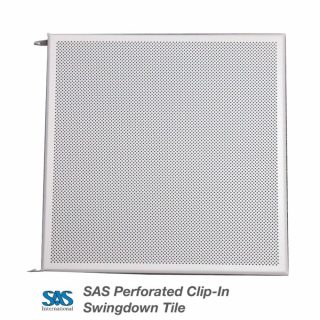
Clip In Metal Ceiling Tiles
Clip-in tiles are attached securely to a suspended ceiling grid system, requiring a specialised metal ceiling tile removal tool to uninstall. Once installed, they offer a number of advantages:
- Improved Security – Once clipped in, tiles are secure and less prone to tampering – great for public spaces or high-traffic areas.
- Specialist Tool Required – This ensures that the tiles remain firmly in place unless intentionally removed.
Lay-In Tiles vs Clip-In Tiles: What’s the Difference?
At first glance, lay-in and clip-in metal ceiling tiles might look similar, but their installation methods define how they perform in real-world settings.
- Lay-In Tiles – These simply rest within the visible T-bar grid. They’re designed for quick installation and easy removal, making them the go-to choice when frequent access to the ceiling void is necessary. This flexibility is vital for kitchens, plant rooms or commercial spaces where maintenance, inspections or adjustments happen regularly. Plus, lay-in systems typically work well with existing ceiling grids, which can save time and money during retrofits
- Clip-In Tiles – On the other hand, clip-in tiles lock securely into a concealed grid system, requiring a special removal tool to access the void above. This means they’re harder to dislodge accidentally or tamper with, providing a safer, more secure ceiling surface – a crucial factor in high-security areas, healthcare environments or busy public spaces. The clip-in design also offers a cleaner, uninterrupted ceiling plane with minimal visible framework, appealing where aesthetics and hygiene standards are paramount.
Plain Metal Ceiling Tiles
When we talk about plain metal tiles, we’re referring to the smooth, unperforated surface. This brings a range of practical advantages, suitable for demanding commercial environments:
- Maximised Light – Because they lack perforations or texture, plain metal tiles reflect light efficiently, helping to brighten interiors naturally. This characteristic is especially valuable in environments where clear, consistent lighting is needed for safety and productivity.
- Simplified Cleaning & Hygiene – The smooth finish means grease, dust and bacteria have fewer places to cling. This reduces cleaning time and effort, whilst supporting specific hygiene standards (something that’s a non-negotiable in food preparation environments, for example).
Metal tiles are available in a variety of sizes. We stock the popular 600×600 ceiling tiles, however, if you’re looking for something different, please get in touch.
Application Advice
At Ceiling Tiles Express, we’ve seen a growing demand for metal ceiling tiles across different commercial uses. Here’s where they’re best installed:
- Offices
Metal tiles create a professional finish that pairs well with modern office designs. Plus, a non-porous surface makes cleaning easy, ensuring a fresh look even in high-use areas.
- Retail Spaces
The durability of these tiles makes them perfect for shops and showrooms with heavy foot traffic. They can withstand wear and tear while maintaining their appearance, and reflective finishes can help brighten spaces and product displays.
- Healthcare Facilities
In hospitals, clinics and laboratories, hygiene is vital. Metal ceiling tiles are easy to clean and provide resistance to mould and bacteria growth, making them an excellent choice for sterile environments.
- Hospitality Venues
In hotels, restaurants and bars, metal tiles bring a contemporary, high-end look that’s also practical.
- Educational Institutions
Schools and universities benefit from metal tiles’ low maintenance and durability.
- Transport Hubs
Airports, train stations and bus terminals require materials that can handle large crowds and frequent cleaning. These suspended ceiling tiles are a durable solution, offering a professional appearance in high-capacity environments.
Why Choose a Metal Ceiling?
Unlike traditional mineral fibre or gypsum tiles, metal ceilings offer a blend of robust physical properties and practical advantages that directly address the challenges of busy, demanding environments. Here’s what makes metal ceilings stand out for professionals.
- Great Durability
Metal tiles resist dents, impact and abrasion far better than softer ceiling materials. This toughness ensures your ceiling retains its integrity and appearance despite daily wear, equipment movement or accidental knocks, cutting down on replacement costs and downtime.
- Easier Maintenance
The smooth, non-porous surface of metal tiles resists dirt accumulation and stains, allowing for quick and effective cleaning, minimising upkeep and preserving their appearance over time.
- Modern Design
Metal tiles provide architects and designers with modern ceiling tiles that offer a contemporary finish. Their ability to incorporate perforations, textures or finishes also allows seamless integration into contemporary or industrial-themed interiors without compromising functionality.
- Great Value for Money
Though metal ceiling tiles generally have a higher initial cost than mineral fibre options, their durability and low maintenance requirements significantly extend their lifespan. This reduces replacement frequency and total cost of ownership over the life of the ceiling system.
- Added Security
Clip-in metal tiles require a specialised tool for removal, providing an effective deterrent against tampering or accidental displacement. This added security is particularly valuable in public or high-traffic commercial spaces where protecting ceiling void infrastructure, such as wiring, plumbing, or data cabling, is important.
How to Install a Metal Ceiling
Installing a metal ceiling requires precision and understanding of both the grid system and ceiling tile characteristics. Whilst it varies from tile to tile, here’s an overview of the installation process and key technical points to ensure a professional, long-lasting finish:
- Prepare Your Space
Mark the desired ceiling height using a laser level or chalk line, and clear the installation area of any obstructions. Double-check measurements to ensure consistent ceiling height, especially if integrating lighting or ventilation systems.
- Install the Grid
Fix the perimeter trim (wall angles) around the room, ensuring it’s level and secure. Then install the main T-bars, typically aligned parallel to the longest walls, and connect cross tees to form a consistent 600x600mm or 1200x600mm grid layout. Use appropriate fixings and suspension wire rated for the weight of metal tiles.
- Fit the Tiles
Lay-in metal tiles are lowered into place so they sit flush within the T-bar grid. For clip-in tiles, align and secure each tile using the correct clip-in system — these require a precise fit and may need a release tool for future removal. Ensure all tiles are seated evenly and flush.
Additional Tips
- Check Stability
Metal ceiling systems are only as reliable as the grid they sit in. Ensure the suspension grid is level, properly braced, and fixed securely to avoid sagging or misalignment. A laser level is essential here.
- Handle Tiles With Care
Metal ceiling tiles can have sharp or finely finished edges. Always wear cut-resistant gloves when lifting, fitting, or adjusting them. Avoid stacking tiles loosely or dropping them into the grid – this can dent corners or scratch the finish.
- Use the Right Tools
For clip-in systems, a specific removal tool is required to disengage each tile cleanly and safely. Skipping this can damage both the tile and the suspension grid. Have all necessary tools to hand before you start – including grid cutters, levelling equipment and gloves.
Frequently Asked Questions
Can’t find what you’re looking for? Below are answers to some of our frequently asked questions.
-
How do you cut metal ceiling tiles?
While it’s possible to cut metal ceiling tiles yourself using tools like tin snips, we recommend seeking professional help for the best results. A professional can ensure precise cuts and avoid potential damage to the tiles.
-
How do you remove metal ceiling tiles?
Removal of lay-in metal tiles is fairly straightforward. Simply lift the tile upward within the grid, tilt it slightly and gently lower it out through the gaps. For clip-in metal tiles, a special removal tool is usually required to safely unhook the panel from the grid system.
-
Are metal ceiling tiles compatible with existing ceiling grids?
Yes, most metal ceiling tiles are designed to be compatible with standard ceiling grids. We recommend that you check the tile’s dimension and the type of grid it’s being installed into beforehand. If you’re unsure, you’re welcome to give our team a call for help.
-
What’s the difference between clip-in and lay-in metal tiles?
Lay-in metal tiles sit visibly within the ceiling grid, making them quick to install and remove. They’re ideal for projects where easy access to services is important. Clip-in tiles, on the other hand, snap securely into a concealed grid system for a flush finish. They’re perfect for areas where hygiene, security or design is important, but they do take a little longer to access once fitted.
-
Are damaged metal tiles easy to replace?
Yes. With lay-in systems, individual tiles can be lifted out and replaced in minutes - no tools needed. Clip-in systems take a bit more effort, as the tiles are locked into place, but with the right extractor tool, replacements are still straightforward and hassle-free.
-
Can I retrofit metal ceiling tiles into an existing suspended ceiling?
In most cases, yes (especially if you’re using a standard 600 x 600mm grid system). Lay-in metal tiles are often a direct swap for mineral fibre or plasterboard tiles. Just double check the grid compatibility! For clip-in systems, you may need to replace the grid, as they require a specific concealed frame.
Ceiling Tiles Express
Whether you're switching from a mineral fibre ceiling to a metal, or just need some guidance on products, our team are always happy to help.


