














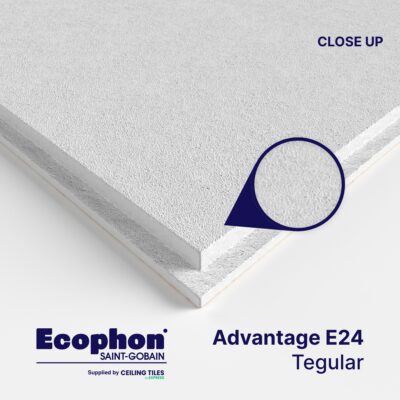




What Ceiling is Best for Offices?
For most office environments, a suspended ceiling is the most practical and effective choice. These commercial ceilings are designed to easily integrate lighting, ventilation and fire safety systems whilst providing a clean, professional finish that looks great in both open-plan and individual offices.
One of the biggest advantages of these systems is the acoustic performance and light reflectance they offer. Busy offices and meeting spaces can quickly become noisy, which affects focus and communication. Office ceiling tiles, particularly mineral fibre ceiling tiles, are made from a softer material that helps mitigate this. At the same time, smooth, white ceiling tiles reflect natural and artificial light to improve brightness and make the workplace feel more open.
We know that durability and maintenance are equally important; as a high-traffic area, office ceilings need to resist stains and wear. The modular design of suspended ceilings means that facility managers can easily access the ceiling void to inspect or maintain any of the utilities hidden there without disrupting day-to-day operations.
So, once you’ve decided a suspended ceiling is the best option for your office (great choice!), you’ll need to find the perfect ceiling tile. We stock a wide range of ceiling tiles with different performance attributes to give you variety to find a tile that best suits you. If you need any guidance or help, please don’t hesitate to get in touch.
What are the Different Office Ceiling Tile Sizes?
When fitting a suspended ceiling in your office, the size of the ceiling tiles makes a real difference to the overall appearance. At Ceiling Tiles Express, we supply office ceiling panels in two standard sizes to accommodate various design preferences and functional requirements.
- 600×600 Ceiling Tiles – This square ceiling tile size is by far the most widely used in UK offices. It fits easily into most standard ceiling grid systems to create a uniform look – installed everywhere from open-plan office to smaller meeting rooms! Due to their smaller size, office ceiling tiles 600×600 also make it easier to access individual tiles for maintenance – a practical consideration in spaces where the ceiling void is frequently used for cabling or air conditioning.
- 1200×600 Ceiling Tiles – The rectangular ceiling tile size is often chosen for modern office interiors or office corridors. Covering more area per tile, they can speed up installation or reduce the number of joints across the ceiling, which in turn creates a cleaner appearance.
Both ceiling tile sizes are easy to install and maintain. The right choice usually comes down to the grid system (if it’s already in place) and the style you’re looking for.
Application Advice
In offices, suspended ceilings have become a popular choice across multiple industries – and they’re not limited to corporate offices either. We regularly see them specified in environments where noise control, hygiene and ease of maintenance are equally important. Businesses we’ve seen ceiling tiles fitted include:
- IT Companies & Data Centres
- Research Laboratories
- Government Buildings
- Construction Offices
- Co-Working Spaces
- Marketing Agencies
- Creative Studios
- Call Centres
- Law Firms
Office suspended ceiling tiles can be used in a variety of settings, providing both performance and design-led benefits. Here are a few common applications in modern office environments.
- Collaborative, Open-Plan Workplaces
In open-plan offices, controlling noise is always a challenge. Office ceiling tiles are ideal for such environments as they help manage sound by absorbing acoustic waves. This helps reduce noise levels, making the area more conducive to focused work whilst still encouraging collaboration. Ultimately, it creates a more comfortable working environment. Many offices like this specify tiles with a higher light reflectance, as this helps to improve natural daylight distribution and reduces reliance on artificial lighting. Over time, this can lower energy costs and improve interiors!
- Private Meeting Rooms
Privacy in meeting rooms is essential, and your ceiling tiles play a key role in maintaining confidentiality. Acoustic ceiling tiles can help prevent the transfer of sound between rooms, ensuring that discussions in your meeting spaces have a level of privacy. In addition, certain acoustic office ceiling tiles can reduce echo, so speech remains clear and professional during presentations or video calls – an increasingly important consideration in hybrid offices.
- Office Zoning Solutions
Large offices often need subtle divisions to create distinct areas such as collaborative zones, casual meeting areas, coffee corners or breakout spaces. Ceiling tiles can be used to define these zones visually (and acoustically), without the need for installing solid partitions. It’s an easy, non-intrusive way to organise an open office layout. Some businesses choose different tile sizes or colours in each zone to reinforce this separation – a practical design approach that also improves wayfinding and user experience.
- Reception Areas
Reception ceilings carry a lot of weight when it comes to first impressions. Tiles here need to look professional whilst potentially handling higher humidity and more frequent cleaning due to external air and footfall in these areas. Smooth, wipeable finishes or ceiling tiles with high light reflectance are often specified as they brighten the entrance and create a clean, welcoming environment for visitors and staff alike.
- Corridors & Circulation Spaces
These high-traffic areas are often overlooked, but they demand a type of suspended ceiling tile that can resist knocks, dirt and regular cleaning. Once again, reflective finishes can maximise available light in these areas to keep your walkways bright and safe, especially in longer runs with minimal natural daylight.
What are the Different Types of Office Ceiling Tiles?
Not all office suspended ceiling tiles are the same. The right choice will depend on your space, its purpose and the impression you want to make. Here’s a breakdown of the most common options and why they’re used in professional office workplaces.
White Office Ceiling Tiles
One of the more popular choices, white ceiling tiles can help make offices feel brighter and more open. Their high light reflectance makes them especially effective in large, open-plan spaces to reduce your reliance on artificial lighting (and also contribute to lower energy costs). They also have a clean, uniform look that suits everything from corporate headquarters to co-working hubs.
Black Office Ceiling Tiles
Often chosen for creative studios, meeting rooms or modern offices, black ceiling tiles create a dramatic, modern design. They can be used to reduce glare in spaces with AV equipment, for example, boardrooms with projectors or hybrid meeting spaces with large screens. Beyond looks, they can also improve acoustic control by absorbing light and sound rather than reflecting it.
Mineral Fibre Office Ceiling Tiles
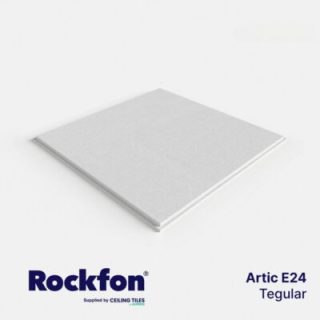
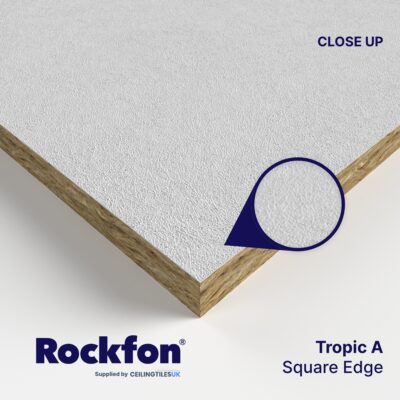
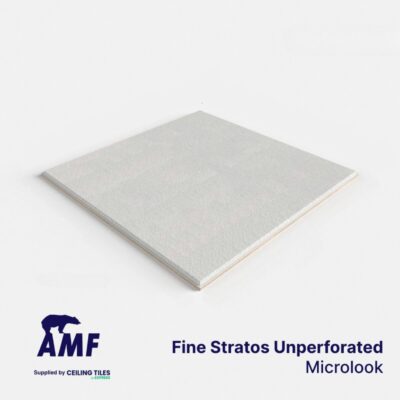
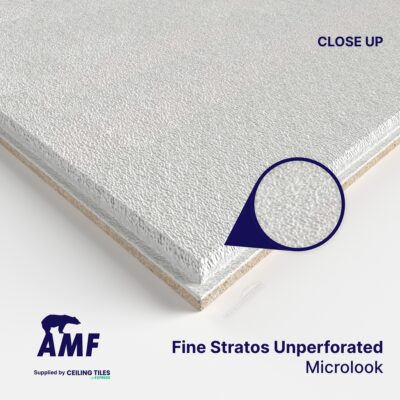
Mineral fibre is typically the standard material for most office ceilings, offering a good balance of acoustics and affordability. They’re lightweight, easy to install in standard grid systems and are available with different performance classes depending on whether you want to prioritise noise control, moisture resistance or durability. For most general offices, mineral fibre tiles are the go-to.
Metal Office Ceiling Tiles
Metal ceiling tiles are becoming increasingly popular in high-spec commercial interiors. They create a modern look and are extremely durable, resisting wear in busy circulation spaces or high-traffic offices. They’re easy to clean and maintain – a reason why they’re sometimes specified in offices with higher hygiene demands or with less frequent maintenance routines.
Acoustic Office Ceiling Tiles
Offices typically opt for acoustic ceiling tiles that absorb sound across a wide range of frequencies, improving speech clarity and reducing distractions in open-plan offices. These are therefore especially valuable in call centres, collaborative hubs or spaces where employees need to focus. By minimising reverberation, they can help to create a quieter, more productive workplace.
Why Choose Office Suspended Ceiling Tiles?
With the right office ceiling panels, you can experience a wide range of benefits that support productivity and employee comfort. This includes:
- Improved Office Design
An attractive office environment is important for creating a positive impression on staff, visitors and external clients. A suspended ceiling creates a consistent, modern finish while concealing unsightly infrastructure like wiring, ductwork and lighting systems. This visual uniformity contributes to a polished, professional atmosphere. From standard white tiles to black tiles, our range allows businesses to tailor the look of their ceiling to complement branding or any interior design choices. Plus, tiles with a smooth or reflective surface can also help maximise natural daylight, improving perceived brightness and employee comfort.
- Better Acoustic Performance
Managing sound in open-plan offices is essential for productivity. Acoustic ceiling tiles absorb noise, reducing ambient sound and echo while improving speech clarity. This creates a quieter, more focused workspace without eliminating collaborative areas entirely. For optimum results, why not check the Noise Reduction Coefficient (NRC) rating for each tile? This can be found in their datasheets on our product pages. Key areas to look out for are noise absorption and insulation measurements. For effective absorption, we generally recommend a Class C and above rating. For insulation, aim for at least 34 dB between adjoining rooms – but remember to check with your local building regulations to ensure you meet any compliance standards that are needed.
- Low-Effort Maintenance
One of the top features of an office suspended ceiling is its simplicity when it comes to upkeep. Installed within a suspended grid system, individual tiles can be removed, cleaned or replaced quickly without disrupting the rest of the ceiling or office operations. This makes them particularly useful in high-traffic areas, breakout zones or spaces with regular maintenance needs.
- Cost-Effective
A suspended ceiling can be an economical solution for offices. Even when the initial price point is competitive, their durability and modular nature ensure long-term value. For example, unlike a permanent plaster ceiling, your tiles can be replaced individually, minimising repair costs and downtime.
How to Install an Office Ceiling
Installing a suspended office ceiling is easy if you understand the basics. Here’s an overview of the process, but bear in mind this will vary depending on your product and environment.
- Prepare Your Space
Begin by clearing the area and marking your desired ceiling height. You can use a ladder level for precision, as accuracy at this stage will ensure a level finish, proper alignment and consistent light distribution. Consider any existing services like lighting, sprinklers and air conditioning ducts, as these will help determine grid placement and tile cuts.
- Install the Ceiling Grid
Briefly, this consists of fitting your perimeter trims, cross tees, main runners and other grid components to create a stable structure, ready for your ceiling tiles.
- Fit the Ceiling Tiles
Lay-in tiles are simply lowered into the grid. A little tip is to start from the centre of the room and work outwards to achieve balanced borders.
How to Maintain Office Suspended Ceiling Tiles
Once your suspended ceiling is installed, you’ll want to keep it looking its best.l Here are a few maintenance tips to ensure your office tiles perform as designed (whilst extending their lifespan and reducing any replacement costs):
- Regular Cleaning
Dust and debris will naturally accumulate on suspended ceilings. For routine maintenance, you will need to refer to the manufacturer’s guidelines. This varies from tile to tile, but typically, you can use a microfibre cloth to gently dust these down. Avoid any harsh, abrasive cleaners that can damage the tile’s surface.
- Inspect for Damage
Periodically check your tiles for any sagging, staining or cracks. These can be tell-tale signs of an incorrect specification for your environment, or just a sign that your tiles need replacing! Identifying issues early allows you to replace individual tiles before the problem spreads.
- Manage Access Carefully
Suspended ceilings allow easy access to wiring, HVAC and lighting above. Whenever tiles are removed, handle them gently and replace them accurately to avoid misalignment or gaps, which can reduce visual uniformity and acoustic effectiveness.
Frequently Asked Questions
Can’t find what you’re looking for? Below are answers to some of our frequently asked questions.
-
What are office ceiling tiles made of?
Typically, office ceilings use mineral fibre ceiling tiles, which are lightweight and offer great sound absorption. Another popular option, however, is metal ceiling tiles - they offer improved longevity and a modern design that’s growing in demand.
-
Can I install the office ceiling myself or do I need a professional?
Replacing damaged, lay-in ceiling tiles is relatively straightforward and can usually be done yourself. If, however, you’re installing a suspended ceiling from scratch, working with a clip-in system or need to meet specific fire or acoustic standards, we recommend professional installation.
-
How long does a suspended ceiling typically last in an office?
A well-maintained office ceiling can last 15-25 years or more, depending on the materials, usage and environmental conditions. Regular maintenance, carefully cleaning as per the manufacturer’s guidelines and prompt replacement of damaged tiles will help maximise the lifespan.
-
Can suspended ceilings be used to hide office equipment like wiring and ductwork?
Yes! One of the key advantages of a suspended office ceiling is their ability to conceal common utilities such as wiring, ductwork and air conditioning units. Due to the build of the ceiling, you still have easy access to these systems for maintenance, should you need it.
-
How can a suspended ceiling help to reduce energy costs in my office?
By lowering the height of your ceiling, you can effectively trap more air in your office below! Plus, with the option to add additional insulation to the back of your ceiling tiles, there are plenty of ways to regulate the temperature by reducing the volume of heat transferred through your ceiling. This then leads to lower heating and cooling costs, especially in large office spaces.
-
How long does it take to install a suspended ceiling in an office?
The exact installation time will depend on the size of your office space and the complexity of the ceiling grid being installed. Typically, the process is quick and easy - your ceiling tiles can be installed with minimal disruption to your workplace, especially if you’re just replacing a few! If you need any support, please don’t hesitate to reach out to our team.
Why Ceiling Tiles Express?
With years of experience as trusted ceiling tile suppliers, we proudly stand as the UK’s fastest provider, offering a wide selection of products with next-day delivery. Why settle for less? Discover the difference in quality and service today!


