




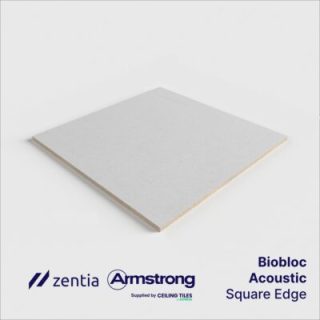




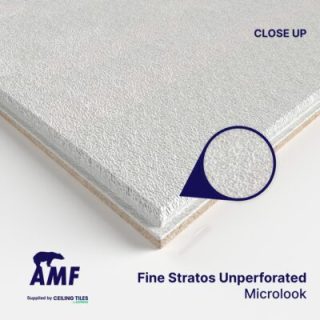


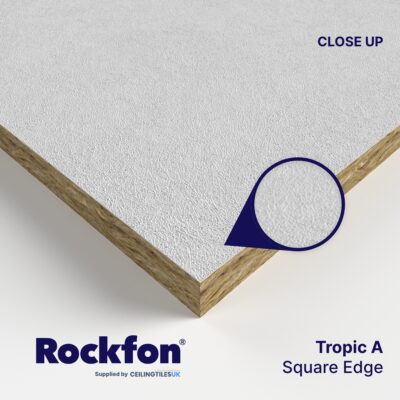
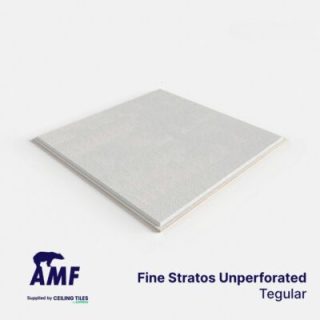
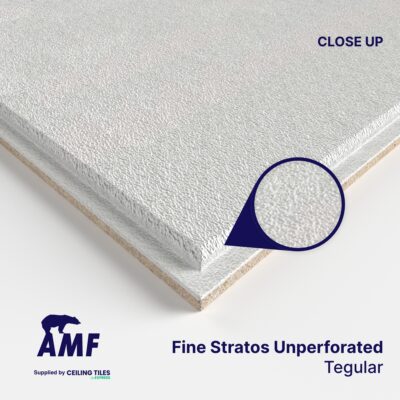


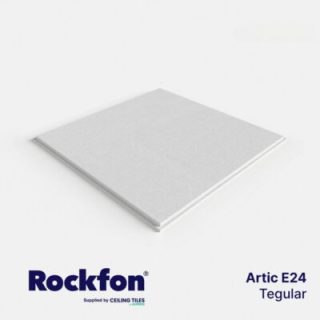


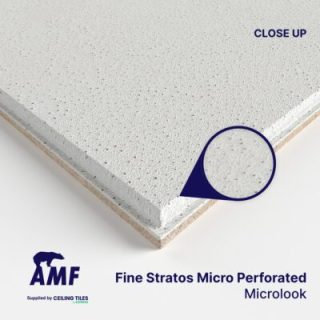
Healthcare Ceiling Tiles Overview
Healthcare ceiling tiles are designed to support medical environments. Premium, specialist tiles can sometimes feature antimicrobial properties and moisture resistance to maintain strict hygiene standards. If you’re looking for a budget alternative, wipeable ceiling tiles are a great option. Their smooth, non-porous surface is easy to clean and disinfect, making them essential in hospitals, clinics, laboratories and other spaces where infection control is a priority.
With that said, suspended ceilings offer healthcare settings more than just hygiene. They provide easy access to important infrastructure like HVAC systems and lighting to ensure that maintenance can be performed quickly without disrupting operations. They also help improve acoustics and create a clean, professional appearance conducive to patient care.
Fast delivery is critical in healthcare to avoid downtime. That’s why, at Ceiling Tiles Express, we offer next day delivery, helping you keep your facility operational and safe with minimal delays.
What Tile Properties Should I Look Out For?
The right suspended ceiling tile can help prevent the spread of infection, protect vital infrastructure and support the overall performance of your workplace. If you’re looking for replacement healthcare ceiling tiles, we recommend looking for a solution with the following properties:
- Antimicrobial Properties – Prevents the growth of bacteria, mould and mildew to support infection control.
- Moisture Resistance – Reduces the risk of staining or deterioration in high humidity areas like labs and operating rooms.
- Ease of Cleaning – Smooth, non-porous surfaces that can withstand cleaning and sanitisation without damage.
- Acoustic Performance – Helps reduce noise levels, creating a quieter, more comfortable environment for recovery and focus.
Types of Ceiling Tiles for Hospitals
A hospital suspended ceiling needs to do more than look good. It must contribute to a sterile, efficient and safe environment that supports both patient care and healthcare operations. Here are some of the essential types of ceiling tiles for hospitals.
Wipeable Ceiling Tiles
These tiles are a cost-effective option for areas where cleanliness is important. Their smooth, non-porous surfaces can be quickly wiped clean to remove dust, stains and surface-level bacteria, making them ideal for general wards, corridors and staff rooms. They provide a practical balance of affordability and functionality without compromising hygiene.
Acoustic Ceiling Tiles
Hospitals are busy, high traffic environments, so controlling noise is vital for both patient recovery and staff efficiency. Acoustic ceiling tiles are designed to absorb sound, reduce echoes and overall noise levels in areas like waiting rooms, consultation spaces and recovery wards.
Humidity Resistant Ceiling Tiles
High moisture areas like operating theatres, laboratories and bathrooms need tiles that can withstand humidity without warping, staining or supporting mould growth. Humidity resistant tiles maintain their structural integrity even in challenging conditions, creating a clean, safe and durable solution for healthcare spaces.
Application Advice
From operating rooms to waiting areas, you’ll also need to consider the needs of each unique space within your hospital or healthcare environment. Here are a few tips to help:
- Operating Rooms
In operating rooms, hygiene is non-negotiable. Your false ceiling tiles should be easy to clean as they’ll need to withstand frequent disinfection with reasonably harsh chemicals. We also recommend considering moisture resistance as the environment can get damp due to sterilisation processes.
- Patient Rooms
Patient rooms require a balance of hygiene, comfort and acoustics. Acoustic ceiling tiles in particular can create a quiet, soothing atmosphere to smooth any nerves. Plus, noise can interfere with rest, so tiles that help absorb sound or reduce echo will improve the overall recovery environment.
- Corridors
High traffic areas like corridors need tiles that are durable and low maintenance. These spaces also benefit from acoustic properties, as hospitals can be noisy places.
- Waiting Rooms & Reception Areas
Waiting rooms are spaces where patients, families and visitors spend a significant amount of time. Again, acoustic tiles can help reduce ambient noise to make these areas more pleasant and less stressful. These areas may also want to consider suspended ceiling design to create a welcoming environment.
- Dentists
Dentistries often use equipment that generates significant noise, from drills to suction devices. Acoustic ceiling tiles can help reduce this noise to create a comfortable environment for patients. Hygiene is another priority, so your tiles should be easy to clean and resistant to moisture
- Physiotherapy Rooms
Physiotherapists require a calming workspace to support patient recovery. Once again, you need to be looking at the acoustics of your suspended ceiling, as well as a tile with a neutral and modern appearance.
- Triage Rooms
Triage rooms are fast-paced environments where staff must assess patients quickly. Acoustic tiles play a part here too, reducing background noise to allow medical staff to focus on communication and decision making.
How to Install Hygienic Ceiling Tiles
We recommend that you follow your manufacturer’s guidelines when it comes to your suspended ceiling installation to ensure no corners are cut. With that said, here’s a brief overview of the task at hand:
- Prepare the Space Properly
Before installation begins, ensure that your space is thoroughly cleaned and free of any dust, dirt and debris. You know as well as we do, healthcare environments require strict cleanliness, so preparing the surface where the tiles will be installed is key to maintaining hygiene standards.
- Choose the Right Ceiling Grid
For hygienic ceiling tiles, we recommend using a compatible gridwork system. For example, you may want to look into moisture resistant grid to prevent corrosion and mould growth. You’ll need to ensure this is level and securely installed to avoid gaps where dust or bacteria could accumulate over time.
- Handle Tiles With Care
Be careful not to damage your tiles during the installation process. Hygienic ceiling tiles typically have a smooth surface, so any scratches or dents can compromise their performance. Wear clean gloves during installation to avoid transferring oils or dirt from your hands to the tiles.
- Ensure a Proper Fit
Your drop ceiling tile should fit snugly into the grid without any gaps or spaces. Continue this until you complete the ceiling – then, you should be done!
Ceiling Tiles for Hospitals – FAQs
-
Are hospital ceiling tiles different from standard ceiling tiles?
Whilst hospital ceiling tiles can be used in different locations, they typically have a wipeable surface that makes it easy to clean and therefore meet hygiene standards. There are certain specialised tiles with antimicrobial properties to inhibit the growth of mould, mildew and bacteria in areas where sanitation is a huge concern.
Ceiling Tiles Express
At Ceiling Tiles Express, we offer a range of hygienic ceiling tiles designed to support the work of healthcare environments. From dentists to clinics, we offer a next day delivery service to minimise downtime and keep your operations running smoothly.


